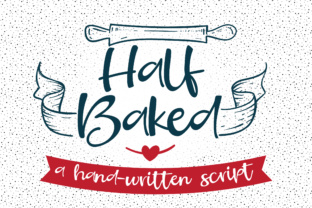
Half Baked: Why a Casual, Easy-Going Script Wins Hearts
I once watched a friend sketch a business idea on a napkin. The lines wobbled, the handwriting was messy, and half the numbers were wrong. Yet when he looked up and said, “It’s still half baked,” his grin was wider than any polished presentation I’d ever seen. That moment stuck with me. The napkin wasn’t just a draft — it was a full-throated invitation to play.
In a world that worships finished products and pixel-perfect deliverables, the phrase half baked often gets a bad rap. But what if that label actually points to something we’re missing? Something more human, more honest, and way more fun. This isn’t about laziness; it’s about leaning into the part of the creative process that most people hide. And oddly enough, the best metaphor for that mindset might just be a casual, hand-written script — the kind that feels like a note from a friend rather than a corporate memo.
What Exactly Does “Half Baked” Mean in a Creative Context?
Let’s clear up the definition right away. A half baked idea isn’t a failed idea. It’s an idea that’s still tender in the middle, still trying to find its shape. Think of it like dough that’s been mixed and set on the counter, but hasn’t yet risen fully. You can see what it might become, but it’s definitely not ready for the oven.
In creative work, a half-baked concept might be a script that chokes in the third act, a logo sketch with proportions you wouldn’t dare show a client, or a business model with more questions than answers. The crucial part: it’s alive. It has momentum. Someone cared enough to start, even without knowing the finish line. And that casual, early-stage energy — the kind you see in a handwritten note scrawled on the back of a receipt — is often where breakthroughs hide.
The Hand-Written Script: A Design Metaphor for the Easy-Going Vibe
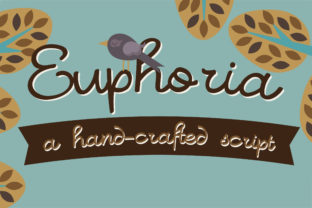
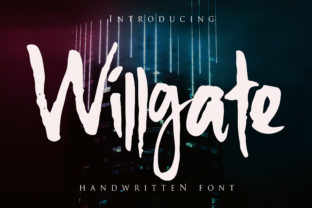
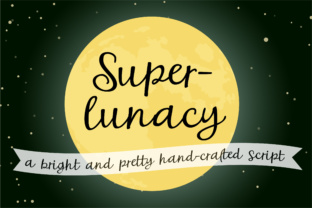
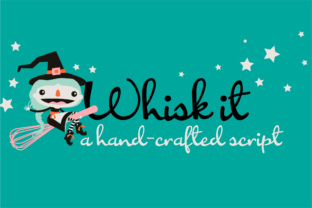
Now, let’s talk about that casual hand-written script for a second. Graphic designers have a name for fonts that look like real human handwriting: they call them “informal scripts.” These typefaces have varying stroke widths, playful ascenders, and sometimes little quirks where the pen seemed to pause. They aren’t perfect. And that’s the whole point.
When you read words set in this casual hand-written script has a very easy going feel, your brain registers something different than if you were reading a sterile sans-serif. You feel approached, not pitched. That’s exactly the emotional response half-baked work can create when it’s shared at the right moment. Just like the script, a half-baked idea says, “Hey, I’m not pretending to be the final version. I’m just here to start a conversation.”
Why We’re So Afraid of Serving Anything Half Baked
Most of us were trained to hide the messy middle. In school, you turned in the completed essay, not the outline. At work, you present the polished slide deck, not the frantic whiteboard scribbles from Tuesday. The fear is real: if I show something half baked, I’ll look incompetent, unprepared, or — worst of all — unprofessional.
This fear creates a dangerous bottleneck. Teams spend weeks perfecting internal mockups before asking for feedback. Writers stare at blank pages because the first sentence has to sing. Entrepreneurs don’t mention their fledgling idea until they have a logo and a website. By that time, they’ve poured concrete over something that might have been nimble and brilliant. The casualty is often the very authenticity that makes a project resonate.
How Half-Baked Thinking Actually Plays Out in the Wild
Take the world of software development. For years, coders joked about “almost working” prototypes being thrown in front of testers. Eventually, that attitude got a name: minimum viable product. The MVP is, at its core, a deliberate half-baked version. It has just enough features to teach you something, not enough to make you feel proud. And yet, companies that launch MVPs learn faster, pivot more cheaply, and often uncover needs they’d have missed if they’d waited for a fully baked solution.
Outside tech, the pattern holds. A chef testing a new dish might serve a half baked version to their line cooks for brutally honest feedback. A novelist might share a single scene with a trusted reader long before the book’s plot is settled. In each case, the creator is using incompleteness as a tool. The secret? The hand-written, easy-going feel of that early work lowers defenses. People talk back. Real listening happens.
The Surprising Strengths of a Half-Baked Approach
Let’s list what happens when you intentionally work in a half baked state, rather than just accidentally landing there:
- Speed of iteration. You can cycle through ten sketchy concepts in the time it takes to perfect one. Most of those ten will be terrible, but one might click immediately.
- Radical collaboration. When something looks unfinished, almost everyone feels invited to contribute. The casual, hand-written vibe turns observers into co-creators.
- Less ego attachment. It’s a lot easier to throw away a thumb sketch than a project you’ve spent two months polishing. The easier it is to let go, the braver your decisions become.
- Accelerated learning. Every time you expose a half-baked thought to daylight, you gather data. You learn what people misunderstand, what they crave, and where you’ve overcomplicated things.
Notice that none of these strengths rely on talent. They rely on a willingness to be seen before you’re ready. That’s a muscle you can build, just like any other.
The Careful Side of Casual: Risks and Limitations
Okay, let’s not pretend every situation benefits from a half baked delivery. There’s a time and a place. If you’re pitching a medical device to a review board, please don’t show a napkin sketch. High-stakes environments that demand precision, safety, or legal compliance absolutely require finished, vetted output. The wisdom is in knowing when the half-baked phase has served its purpose.
There’s also the danger of chronic undercooking. Some teams fall in love with the casual phase and never commit. They bounce from prototype to prototype, avoiding the hard work of refinement. A hand-written script is charming for a thank-you note, but if you wrote an entire book that way, it might get painful to read. So the half-baked stage needs an exit strategy: a clear trigger that says, “Now we tighten, now we polish, now we ship.” Without it, you’re just eternally doodling.
Who Really Thrives with a Half-Baked Mindset?
I’ve seen this philosophy transform work across wildly different fields:
- Creative directors who use rough storyboards to align a team before a single frame is animated.
- Small business owners who test service ideas by doing them manually for five clients, just to see if the need is real.
- Teachers who design lesson plans as living drafts, letting student questions reshape the material day by day.
- Content creators who post “ugly” first drafts on social media, finding that authenticity out-performs slick production.
- Event planners who sketch room layouts with sticky notes, rearranging on the fly until the flow feels right.
In each case, the person is using the half baked stage as a deliberate instrument, not a mark of failure. The casual, easy-going communication style — sometimes literally handwritten — invites collaboration that a formal document would shut down.
Bringing That Hand-Written, Easy-Going Energy into Your Own Work
You don’t need to adopt a new personality. Start with small moves that signal “this is a sketch, not a proclamation.” Here are a few practical entry points:
1. Use Physical Artifacts Early
Grab a marker and a big piece of paper. Write your idea so big that others can read it across the room, then hang it somewhere others wander past. That’s a half-baked move. It screams work in progress far louder than any digital file.
2. Tag Your Work Verbally
When you share something early, literally say the words “half baked” out loud. It changes the expectations in the room. People shift from evaluator mode to contributor mode. I’ve seen tense meetings transform simply because someone prefaced a slide with, “Bear with me, this is still half baked, I’m looking for your brain.”
3. Imitate the Casual Hand-Written Script In Your Design Language
If you’re mocking up a website, an ad, or even a flyer for a local bake sale, try using a typeface that channels this casual hand-written script has a very easy going feel. The font choice alone telegraphs warmth and approachability. Suddenly the conversation becomes “what if we tweaked this?” instead of “is it approved?”
4. Set a Timer for “Done Enough”
Perfectionism hates a deadline. Give yourself 30 minutes to produce a half-baked version of whatever you’re avoiding. The rule: at the buzzer, you share it, no matter how much it stings. The relief that follows is often bigger than the discomfort.
Real-World Example: From Half Baked to Breakthrough
A friend of mine runs a small backyard bakery. For months, she agonized over her website, trying to get the photos perfect and the checkout flawless. Sales stalled. One afternoon, frustrated, she scribbled her entire menu on a piece of craft paper with a Sharpie, snapped a phone photo, and posted it on social media with the caption: “Here’s what I’m baking this weekend — it’s half baked in both senses!” The post exploded. People loved the honesty. They didn’t need a polished e-commerce funnel; they needed to feel like they were buying from a neighbor. The hand-written list became her brand. She still sells out every weekend.
That’s the quiet power of leaving the edges rough on purpose. When you stop polishing, you start connecting.
How to Evaluate if This Approach Fits Your Project
Not every project deserves the half-baked treatment. Ask yourself these questions before you let the dough stay squishy:
- Is speed more valuable than accuracy right now? If you’re exploring a new market, speed wins. If you’re certifying a product for safety, accuracy wins.
- Do I need emotional buy-in from a group? Half-baked ideas build camaraderie; polished ones can feel like dictates. Choose the one that serves the relationship.
- Am I stuck in perfectionism? If yes, a deliberate half-baked delivery is probably the cure you’re avoiding.
- Can I afford to be misunderstood briefly? The rough edges sometimes cause confusion. If your audience won’t give you a second moment, you might need to bake it a little further.
These questions don’t have universal answers, and that’s the point. The half baked choice is a tool in your kit, not a lifestyle mandate. Pick it up when you need it; set it down when you don’t.
The Bottom of the Bowl
We spend so much of our lives trying to appear complete. But complete is static; incompleteness is alive with possibility. The next time you’re holding something that feels too raw to share, remember the casual hand-written script that nobody over-analyzes. Its strength isn’t in being flawless — it’s in being there, an easy-going invitation to join the messy, wonderful process of making something together. So go ahead. Serve it a little half baked. You might be surprised who pulls up a chair.